Classic GTA titles playable in browsers again after takedown, thanks to reverse-engineered ports
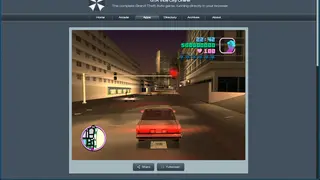
The open-source reVC project, which decompiles the original GTA code into C++, now powers browser-based versions of Vice City and GTA III on sites like Quenq and DOS Zone. These ports run via WebAssembly and WebGL 2, achieving over 100 FPS on desktop while also supporting touch controls and mod/save management. The earlier DOS Zone release was removed after a DMCA strike from Take-Two, but the games have resurfaced on a new platform.
The browser ports are built upon community decompilation projects that translate original assembly code into readable C++, which is then compiled to WebAssembly for browser execution. Graphics rendering leverages WebGL 2, enabling direct GPU communication and bypassing standard browser layout engines. A built-in frame rate limiter addresses potential physics glitches that occur when the game exceeds its original 30 FPS target.
Following the initial DMCA takedown, the hosting landscape shifted. While Quenq offers immediate playability with touch controls and mod uploads, DOS Zone now requires users to provide their own game files or download them via torrent, accompanied by explicit disclaimers regarding piracy responsibility. This distribution method highlights the ongoing legal gray area surrounding these reverse-engineered projects.
This resurgence could significantly broaden access to gaming history, allowing users on low-end hardware or mobile devices to experience foundational titles without installation. It may also intensify the ongoing tension between preservationist communities and corporate copyright holders, as reverse-engineered ports challenge traditional distribution models. Players could benefit from convenient, moddable versions, while publishers might face increased pressure to offer official legacy support or risk continued unofficial hosting.