Tactile pressure sensing enhances robotic grip precision
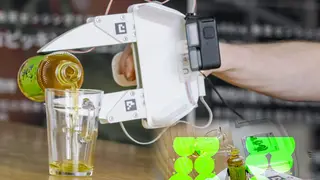
Pressure sensors measure distributed mechanical stress at the contact interface, providing early feedback that motor torque cannot. This allows controllers to transition from motion to interaction control more effectively. The technology improves bin picking and handling of varied materials.
Pressure sensing captures localized stress distributions that motor torque or wrist-mounted force-torque sensors cannot resolve, detecting uneven finger loading and micro-slips within milliseconds. Implementations include piezoresistive films, capacitive layers, or microfluidic designs, enabling early transition from motion to interaction control.
Sensor placement defines the control challenge. Embedding sensors in compliant elastomeric pads provides direct contact measurement but introduces mechanical filtering, suited for gentle handling. Alternatively, placing them behind a rigid surface with a thin compliant layer improves durability and reduces wear-related drift.
This advancement could significantly affect manufacturing and logistics sectors by reducing failure rates in automated bin picking and mixed-part handling. Workers may see fewer manual interventions, while companies could lower waste and improve throughput. For consumers, more reliable robotic handling might lead to gentler processing of fragile goods, potentially reducing damage during packaging. However, the technology may also accelerate automation in roles traditionally reliant on human dexterity, prompting workforce reskilling needs.