Sabu's 'Arrested Memory' Finds Comedy in a Cop's Memory Loss
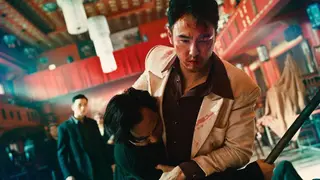
Japanese director Sabu's new film 'Arrested Memory' follows a detective with early-onset dementia who is assigned a kidnapping case but forgets his mission. The movie, set in Taiwan, is a deliberate riff on Kurosawa's 'High and Low' and took nearly two decades to get made. Sabu says the long wait allowed him to find the right team and location.
The project endured a nearly two-decade gestation period, with failed attempts to produce it in Germany, France, South Korea, and Japan before finally being shot in Taiwan. Sabu views this lengthy delay as fortunate, enabling him to find the ideal local team. The film's visual language intentionally revisits his earlier energetic works, incorporating stylized slow-motion fights and intricate coincidences.
Starring Ethan Juan as a detective diagnosed with early-onset dementia, the plot directly references Kurosawa's 'High and Low'. Sabu wrote the script in 2007, drawing on Japan's rising dementia discourse and the era's tough-cop genre trends. He envisioned the character's memory loss as a comedic yet profound stripping away of his violent identity, allowing a more genuine self to emerge.
The film could offer a nuanced perspective on cognitive decline, potentially reshaping public perceptions of dementia as a source of accidental liberation rather than pure tragedy. Audiences in aging societies may find resonance in its themes of shedding societal burdens, while caregivers could appreciate the empathetic humor. The cross-border production may also broaden international interest in Asian genre cinema, highlighting its capacity for thoughtful social commentary.