Maine's Quarry Boom: Climate Adaptation Sparks Local Conflicts
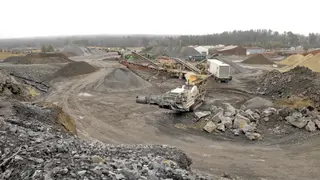
As coastal property owners in Maine build sea walls to combat rising seas and erosion, the demand for stone has fueled a boom in quarrying. This expansion brings frequent blasting that disrupts nearby communities, prompting local governments to adopt new regulations. The trend highlights the trade-offs between climate adaptation and local quality of life.
Following severe winter storms two years ago, shoreline stabilization permit applications rose from 118 to 313, aided by emergency state provisions and federal disaster reimbursements. Most of these projects relied on riprap, which is made from crushed stone and slabs.
In Gorham, residents like Hamblen report frequent blasting, and proposed expansions could affect hundreds of additional homes. With sparse state oversight, municipalities are now weighing moratoriums and stricter local rules to manage the industry's growth.
This trend could create a stark divide between coastal homeowners who gain protection and inland residents who bear the noise and structural risks of quarry blasting. Municipalities may struggle to balance urgent climate adaptation with local quality-of-life concerns, potentially leading to inconsistent regulations across towns. The situation may also force broader regional conversations about the hidden costs of resilience, where the environmental burden of sourcing stone falls on communities far from the shoreline.