First Sea-Launched Ballistic Missile Test Occurred in 1947
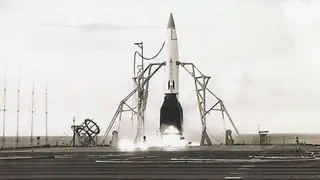
On September 6, 1947, the U.S. Navy launched a captured German V-2 rocket from the aircraft carrier USS Midway. The test, known as Operation Sandy, was the first launch of a ballistic missile from a ship at sea, though the rocket only reached 15,000 feet before falling back.
The V-2 rocket used in Operation Sandy originated from a captured German production site, brought to New Mexico for assembly and testing. Wernher von Braun, the rocket's designer, was secretly relocated to the U.S. under Operation Paperclip, where he later contributed to NASA's spaceflight efforts.
The USS Midway traveled hundreds of miles south of Bermuda for the launch. Although the missile veered off course and broke apart around 12,000 feet, the test validated the concept of naval platforms for ballistic missile deployment, paving the way for future orbital rockets.
The successful demonstration of sea-based missile launches could reshape global military deterrence, as naval vessels may become mobile launch platforms that are harder to track. This technological shift may accelerate the arms race during the Cold War, while also laying groundwork for civilian space programs. Ultimately, the test's legacy could influence how nations balance military capability with peaceful exploration, affecting defense budgets and international relations.