Hong Kong and Central Asia seek to turn agreements into concrete projects
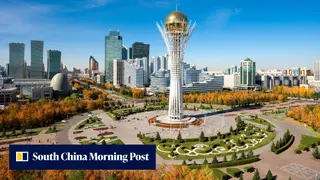
Three months after Hong Kong Chief Executive John Lee's visit to Central Asia, momentum is building for deeper economic ties, with potential cooperation in tourism, professional services, mining, agriculture, and digital infrastructure. Officials and business leaders discussed these prospects at the SCMP's China Conference: Central Asia 2026 in Astana. The key test over the next 12 to 24 months is whether the enthusiasm translates into actual projects and lasting commercial relationships.
The first-ever SCMP conference on Central Asia, held in Astana on Monday, gathered government officials and industry leaders to discuss broadening collaboration beyond finance. Key sectors identified for deeper engagement include tourism, mining, agriculture, and digital infrastructure.
Hong Kong's Belt and Road Commissioner, Nicholas Ho, reported a surge in inquiries from Kazakh entities seeking to use the city as a financial and trade gateway, alongside mainland firms eyeing Central Asian markets. The next one to two years will determine if these intentions materialize into concrete projects.
If these initial agreements evolve into operational partnerships, Hong Kong could solidify its role as a strategic intermediary between China and Central Asia. This may benefit regional businesses seeking diversified financing and trade routes, while also offering Hong Kong professional services firms new revenue streams. However, the realization of these projects depends on sustained political will and logistical execution, meaning the economic impact on local communities in both regions may remain limited until concrete investments are finalized.