New Platforms Offer Alternatives to Traditional Real Estate Agents
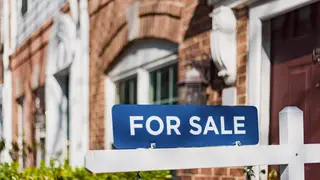
A group of nine startups is providing homebuyers and sellers with ways to reduce costs, often by bypassing conventional real estate agents. These services aim to disrupt the traditional commission-based model.
The emergence of nine distinct ventures signals a growing challenge to the long-standing structure of residential property transactions. By offering direct pathways for buyers and sellers to connect, these platforms aim to lower the financial burden typically associated with professional representation, specifically targeting the percentage-based fees that have historically defined the industry. This collective push represents an attempt to reshape how real estate services are priced and delivered, moving away from the standard agent-centric process.
If these alternatives gain traction, traditional agents could face significant income pressure, potentially leading to a redefinition of their professional role. Consumers, particularly those in competitive markets, may benefit from lower transaction costs, though they could also assume greater responsibility for complex negotiations and paperwork. The broader housing market could see increased price transparency, but the shift might also reduce the personalized guidance that some buyers and sellers rely on during major financial decisions.