Britain stands firm against reparations as Jamaica petitions King Charles
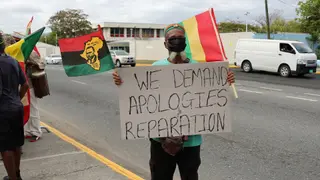
The UK government reiterated its refusal to pay reparations for its role in the transatlantic slave trade, while a Jamaican delegation delivered a petition to King Charles seeking legal advice. The petition asks whether the enslavement of Africans in Jamaica was legal under English or international law, and whether the UK has a legal obligation to compensate. Jamaica is seeking $10 billion in reparations.
Jamaica's culture minister formally handed over a request at Buckingham Palace asking the monarch to obtain a ruling from the Privy Council on whether the historical enslavement of Africans was legally permissible, and if the UK is obligated to provide financial restitution. The Caribbean nation is pursuing $10 billion through this unprecedented legal channel.
The British prime minister's office characterized the slave trade as repugnant but firmly restated the government's refusal to offer monetary compensation or a formal apology. Despite the king's absence and the government's hardline position, the Jamaican minister expressed cautious optimism, especially after a recent UN finding that states are legally required to examine redress for slavery.
This legal maneuver could pressure the UK government to confront its colonial legacy in a new forum, potentially shifting the debate from moral appeals to judicial obligations. If the Privy Council issues an opinion, it may embolden other Commonwealth nations to pursue similar claims, affecting diplomatic relations. Conversely, the firm refusal could deepen frustration among Caribbean communities and activists, who may see the monarchy's avoidance as a continued evasion of historical accountability.