Oil markets spike as US and Iran exchange strikes near key shipping chokepoint
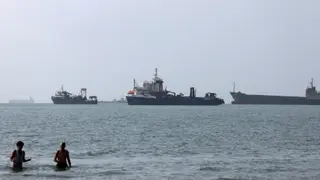
Brent crude futures rose to about $97 a barrel, a six-week high, as US and Iranian forces traded attacks in the Strait of Hormuz. The escalation has reduced shipping traffic through the vital waterway, which carries about a fifth of global oil supply. Analysts warn that supply deficits are persisting with no end in sight.
Recent military exchanges targeted energy infrastructure, with the US striking three Iranian tankers and Tehran's Revolutionary Guard hitting three tankers plus three US-linked vessels. Saudi Aramco's Jizan refinery faced a second attack in a month, delaying its return. Traffic through the Strait of Hormuz has dropped to roughly ten commodity ships daily over the past ten days, per Kpler.
Domestic fuel costs have climbed sharply, with the national average for regular petrol reaching $4.15 per gallon, a 39 percent jump since late February. Diesel prices have broken records, now exceeding $5.90 per gallon, prompting concerns about cascading costs for goods. Analysts note that supply deficits persist, and a potential ceasefire might only shift prices by a dollar or two.
The sustained escalation could strain household budgets in the US and other import-dependent nations, as higher fuel costs may ripple into transportation, food, and manufacturing prices. Global economies already grappling with inflation might see further pressure, potentially influencing consumer confidence and political dynamics in energy-sensitive regions. If the chokepoint remains contested, shipping insurance premiums and rerouting costs could rise, though a diplomatic breakthrough may quickly temper these spikes.