Tesla Cybercab Launch Raises Unanswered Questions About Fleet Adoption
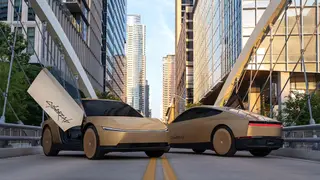
Following the Cybercab's debut in Austin, questions remain about its appeal to fleet operators. The vehicle's lack of home charging compatibility limits its use to DC fast charging, which may deter individual owners. Additionally, Tesla's history with Hertz suggests that partnerships may not guarantee success.
The Cybercab's exclusive reliance on DC fast charging blocks individual gig-economy ownership and fleets that depend on home charging. Tesla's website invites external fleet purchases, yet the company's rationale for not keeping the vehicle solely for its own robotaxi network remains unclear.
Past partnerships offer cautionary tales. Hertz's 2021 pledge for 100,000 Teslas fell short amid price cuts, while Mistergreen's Tesla-only leasing strategy ended in asset sales due to write-downs. Additionally, Tesla's emergency instructions warn first responders about electric shock risks and require waiting for official confirmation that autonomous mode is off.
The Cybercab's launch could reshape urban mobility, but its charging constraints may limit adoption to specialized commercial operators rather than individual drivers. Fleet operators and municipalities considering robotaxi services could face higher infrastructure costs and uncertain returns, as Tesla's past fleet partnerships have shown volatility. First responders and public safety agencies may also encounter new operational challenges, potentially influencing local regulations and the pace of autonomous vehicle deployment in cities.