Historical wounds continue to hinder Japan-South Korea reconciliation
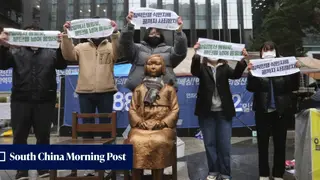
South Korean civic groups are pressing UNESCO to list wartime 'comfort women' documents on its Memory of the World Register, reigniting a long-standing dispute. Analysts warn that the ongoing feud over colonial-era abuses, including recent court rulings on forced labour, threatens to undermine recent improvements in Tokyo-Seoul relations. Despite shared security and economic challenges, experts doubt the two nations can fully resolve their historical differences.
The recent UNESCO request follows a decade-long effort by eight nations to preserve testimonies of sexual slavery. The coalition made the appeal during a Seoul press conference, aiming to add the documents to the Memory of the World Register.
Legal and institutional pressures have intensified recently. In August, South Korea's top court upheld a compensation order for Nippon Steel regarding a 1942 forced labour case. Additionally, UNESCO's World Heritage Committee recently demanded Japan fully document the history of over 1,500 Korean labourers at the Sado mine.
The persistent dispute could keep public sentiment in both nations polarized, potentially complicating diplomatic efforts on shared security threats. For South Korean victims' families and civic groups, unresolved grievances may sustain a sense of historical injustice, while Japanese society might face continued international scrutiny. These tensions could also spill into economic and cultural exchanges, though leaders may still pursue pragmatic cooperation despite domestic pressures.