Panama Canal Officials Warn of Additional Traffic Reductions Amid Water Shortage
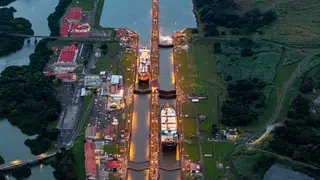
The Panama Canal Authority may further limit daily ship transits if drought conditions persist. Current restrictions have reduced crossings to 34 and then 32, with a possible drop to 29 in early 2027. The decision hinges on rainfall during September through November.
The canal's lock system depends on freshwater from two artificial reservoirs, with each transit consuming roughly 200 million liters. As El Niño strengthens, falling lake levels have also forced a draft reduction from 15.2 to 14.6 meters, meaning ships must carry less cargo to navigate safely.
Current limits are less severe than the 2023-24 drought, when daily crossings dropped to 22. The canal's strategic importance has grown amid reduced Strait of Hormuz traffic, with some vessels paying over $1 million at auction for transit slots, while Panama eyes a new Rio Indio reservoir as a future solution.
Reduced transits and lower draft limits could delay global supply chains and raise shipping costs, potentially increasing consumer prices. Shipping firms may face higher auction fees, while Panama's canal revenue could decline. The situation may also underscore the vulnerability of critical trade infrastructure to climate variability, prompting broader considerations about water management and maritime logistics resilience.