IAEA says it cannot verify Iran's nuclear material; Western states seek Security Council action
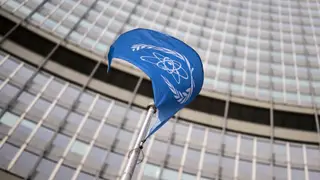
The UN nuclear watchdog has lost continuity of knowledge over Iran's enriched uranium stocks since attacks in June 2025. IAEA chief Rafael Grossi called for urgent restoration of cooperation. France, Germany, the UK and the US are pushing a draft resolution to refer Iran to the Security Council.
The IAEA's inability to track Iran's enriched uranium stems from the June 2025 strikes on Iranian facilities by US and Israeli forces. This has prevented inspectors from confirming the status of declared nuclear materials for over a year, prompting Director-General Rafael Grossi to label the situation a serious proliferation risk requiring immediate correction.
The proposed Western resolution, which is still under negotiation, would mark the first Security Council referral in roughly twenty years. However, Tehran's foreign ministry blames the access restrictions on the attacks themselves and warns of retaliatory steps, while Russia and China hold veto power that could block any concrete council action.
This diplomatic standoff could heighten regional instability and global nuclear proliferation risks. If the Security Council referral proceeds, it may deepen economic sanctions on Iran, affecting its civilian population through trade disruptions. Conversely, a veto by Russia or China could embolden Tehran to further restrict IAEA access, potentially escalating tensions between Iran and Western powers. The outcome may also influence the broader Middle East security landscape, as other states observe how international enforcement mechanisms are applied.