Rescuers comb through ruins of China-Nepal border crossing after deadly mudslide
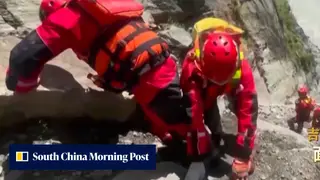
A glacier collapse in Nepal on August 26 triggered a massive mudflow that destroyed the Gyirong Port crossing, killing many border station staff. Deputy chief Gui Xinwei, who was on leave, returned to search for his missing colleagues and found the 20-metre port building completely gone. He described the scene as a nightmare, but a familiar pine tree confirmed the location of his workplace of over two decades.
The catastrophic event originated from a glacier collapse in Nepal on August 26, generating a mudflow that raced 22 kilometers in just seven minutes. This rapid deluge completely leveled the Gyirong Port crossing, a facility that had previously withstood severe flooding and powerful earthquakes.
Deputy chief Gui Xinwei, who was on holiday during the incident, returned to join the recovery effort. Speaking to state media a week later, he noted that a familiar pine tree on a nearby ridge was the only landmark confirming the site of his two-decade-long workplace, which had been entirely swept away.
The destruction of Gyirong Port could significantly disrupt cross-border trade and travel between China and Nepal, potentially affecting local economies reliant on this transit route. For the surviving staff and families of the missing, the psychological burden may be profound, as the loss of a familiar workplace and colleagues creates lasting trauma. This event may also prompt a reassessment of infrastructure resilience in high-altitude, glacier-adjacent regions.