White House Slams UK Proposal to Prioritize BBC on YouTube as Foreign Censorship
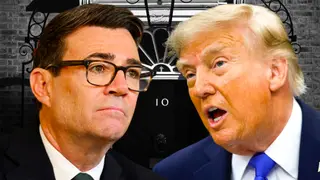
The U.S. government has formally objected to a British consultation that would require platforms like YouTube and TikTok to boost public service media from outlets such as the BBC. In its submission, Washington argues the plan amounts to state interference in American companies' algorithms and constitutes extraterritorial censorship of online speech. The UK's Department for Culture, Media and Sport proposed the measure in June to make BBC, ITV, Channel 4, and Channel 5 content easier to discover.
The U.S. government's formal response to the UK's public service media consultation argues that forcing American platforms to prioritize specific broadcasters constitutes unwarranted government control over private digital infrastructure. Washington's filing frames the British proposal as a direct challenge to the free flow of information across borders.
The UK's Department for Culture, Media and Sport introduced the measure in June, targeting major video-sharing services. If enacted, the rules would require these platforms to surface official clips from UK broadcasters, such as BBC's Question Time, within user feeds and search results, altering how international audiences encounter British programming.
This dispute could reshape how global audiences discover British television, potentially affecting the visibility of UK public service content on dominant international platforms. If the UK proceeds, American tech companies may face conflicting regulatory demands across jurisdictions, complicating their content moderation and recommendation systems. Conversely, viewers in the UK could benefit from easier access to domestic programming, while international users might see a shift in their algorithmic feeds. The outcome may set a precedent for how nations assert cultural policy in the digital sphere.