Glacial melt poses unpredictable and deadly risks in mountainous regions
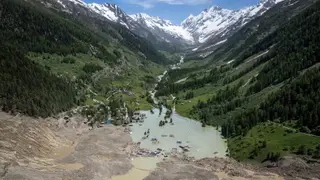
A massive collapse of glacial ice and rock in Nepal in late August killed over 1,300 people and left thousands missing. Scientists say that as glaciers shrink worldwide, such disasters become more likely, but predicting them remains extremely difficult due to the vast and complex nature of mountain environments. Research and monitoring have saved lives in some areas, but covering every glacier with early warning systems is impossible.
The disaster stems from multiple destabilizing processes tied to warming. As glaciers retreat, they lose their buttressing role, while thawing permafrost and meltwater seeping into bedrock weaken slopes. Additionally, retreating ice leaves moraine ridges that can impound water, creating hazardous natural dams. Globally, ice volume has dropped roughly one-fifth over the past century, with projections indicating another quarter loss by 2100.
Successful interventions demonstrate that monitoring works. In Juneau, Alaska, a glacial lake is tracked with cameras, lasers, and drones, triggering widespread alerts before dangerous drainage. Similarly, Peru has drained numerous Andean lakes, averting mass casualties. However, applying such intensive surveillance to the vast, remote Himalayan range remains logistically impossible, leaving many vulnerable valleys without protection.
The increasing frequency of such unpredictable glacial events could severely impact downstream communities in mountainous regions, particularly in developing nations where monitoring infrastructure is sparse. Residents may face sudden, catastrophic loss of life, homes, and livelihoods. Furthermore, the inability to predict every slope failure could strain disaster response resources and force governments to prioritize limited funding for early warning systems, potentially leaving remote populations exposed to escalating climate-driven risks.