Philippines sets ambitious chip export target for 2030
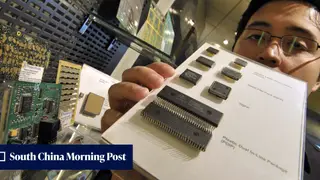
The Philippines has unveiled a five-year road map to grow its semiconductor and electronics exports to US$110 billion by 2030, moving beyond assembly into higher-end operations. The plan aims to raise the country's share of global assembly, testing, and packaging from 4% to 7%. Analysts note capacity and political stability as potential obstacles.
The road map, unveiled by the Semiconductor and Electronics Industry Advisory Council on September 2, sets a goal of US$110 billion in annual chip and electronics exports by 2030. It aims to shift the nation's focus from basic assembly toward chip design, engineering, and research to improve regional competitiveness.
Specific targets include increasing the country's share of global assembly, testing, and packaging from 4% to 7%, and expanding its electronics manufacturing services share to 4%. Additionally, the plan seeks to establish an integrated circuit design sector generating US$2-3 billion in yearly exports, supported by the US-Japan-Philippines Luzon Economic Corridor.
The success of this plan could significantly reshape the Philippine labor market, potentially creating higher-skilled engineering and design jobs while reducing reliance on low-margin assembly work. However, if capacity constraints and political instability persist, the country may struggle to attract necessary foreign investment. Local communities near economic corridors could see infrastructure improvements, but benefits might be unevenly distributed, leaving smaller firms and workers vulnerable to global market fluctuations.