Japan's defence expansion faces limits amid Taiwan conflict scenarios
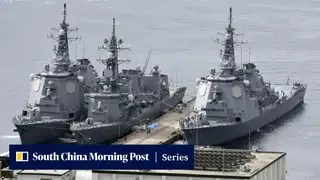
Tokyo is broadening security partnerships across the Indo-Pacific and beyond to strengthen its ability to handle a prolonged armed conflict over Taiwan. However, the military transformation is constrained by economic, demographic, and political factors. The SCMP series examines how far Japan's defence build-up can realistically go.
Japan's strategic planning now centers on the possibility of a protracted Taiwan conflict. To deter or manage such a scenario, Tokyo is forging broader security links throughout the Indo-Pacific region and further afield. These alliances are intended to increase the strategic costs for Beijing.
Nevertheless, the pace and scope of Japan's military modernization are significantly hampered by domestic fiscal limits, an aging population, and political frictions. A dedicated news series is currently evaluating the practical ceiling of these defense ambitions.
This military trajectory could reshape regional security dynamics, potentially prompting neighboring states to accelerate their own defense programs. Within Japan, the trade-off between higher defense spending and social welfare needs may intensify public debate, especially given demographic pressures. Businesses and communities near new military installations could experience localized economic shifts, while broader Indo-Pacific alliances might face strain if expectations outpace actual capabilities. The analysis suggests that perceived gaps between stated ambitions and practical limits could influence diplomatic credibility and crisis management strategies.