Seoul caught between US pressure and Iranian threats over Hormuz blockade
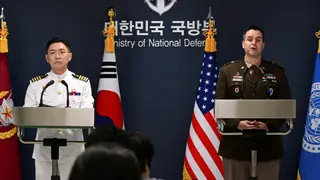
South Korea is under pressure from Washington to support a naval blockade of Iran, while Tehran has warned of serious consequences if Seoul participates. The Iranian foreign ministry stated that any military presence in the Gulf would be seen as direct support for aggression. Seoul has not yet responded directly but is consulting with the international community.
Tehran's foreign ministry warned that any South Korean military presence in the Gulf would be interpreted as backing US aggression, despite over six decades of diplomatic ties. Seoul has only acknowledged consulting with international partners, offering no direct reply to the threat.
The standoff traces back to a May call where President Trump requested Seoul's assistance, which was refused. Washington subsequently cut the annual Ulchi Freedom Shield exercises from eleven days to five, a reduction South Korean lawmakers say came without prior consultation.
South Korea's predicament could destabilize its security architecture, as reduced joint drills may weaken deterrence against North Korea. Simultaneously, a decision to join the blockade might expose South Korean commercial vessels to Iranian retaliation, disrupting energy supplies and trade. The outcome could also influence how other US allies in Asia-Pacific navigate similar pressures, potentially reshaping regional alliances and defense postures.