Malaysia's Huawei Chip Consideration May Test US Export Commitments
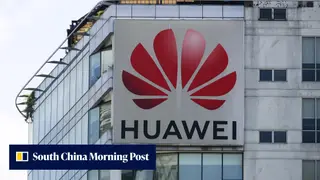
Malaysia is reportedly evaluating Huawei's Ascend 910C accelerators for its sovereign AI project, a move that could conflict with export-control assurances it gave Washington last year. Analysts say this complicates Kuala Lumpur's efforts to work with both American and Chinese technology firms. Malaysian officials are expected to travel to Washington later this month to discuss the issue.
The reported selection of Huawei's Ascend 910C accelerators for the 2 billion ringgit initiative follows a public tender that named state-linked Telekom Malaysia as the primary operator. This development occurs against the backdrop of a separate tender that might offer US firms like Nvidia a direct competitive route.
Malaysian National Security Council officials are slated to visit Washington this month to address the matter. The potential use of Chinese hardware directly relates to export-control assurances Kuala Lumpur provided to Washington during last year's Asean summit, where trade documents were signed by both leaders.
This decision could affect regional tech alignment, as Malaysia may face pressure to choose between US and Chinese suppliers. If Huawei chips are adopted, it may strain diplomatic ties with Washington, potentially impacting future trade or security cooperation. Conversely, opting for US systems could limit Malaysia's technological independence. Businesses and government agencies relying on the sovereign AI infrastructure could experience delays or shifts in operational costs depending on the final outcome.