Cockatoos Show Signs of Joy and Optimism When Given Free Flight
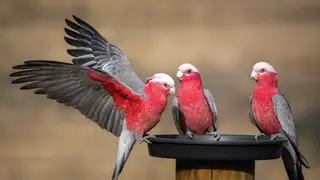
Researchers at a bird park observed that Galah cockatoos voluntarily chose to fly during daily open-aviary periods, suggesting they find flight rewarding. After flying, the birds displayed behaviors linked to positive excitement and performed better on an optimism test for finding a treat. The study indicates that free flight may induce positive emotional states in these birds.
The study took place at Avifauna Bird Park, where Galahs could leave their aviaries for 20 minutes daily. They almost always opted to fly, with one pair skipping only when given new nest boxes to focus on courtship. This voluntary participation indicates the activity is intrinsically rewarding.
Following flight, the cockatoos exhibited more foraging and crest-raising, and they responded more optimistically in a walnut-finding test. Massen views flight as an ethological need, aligning with a broader animal-welfare shift toward enabling natural, potentially pleasurable behaviors instead of merely preventing suffering.
This research could influence zoos and sanctuaries to redesign enclosures with voluntary flight opportunities, potentially improving captive bird welfare. It may also prompt pet owners to offer safer free-flight spaces. Regulators could use such findings to update welfare guidelines, emphasizing positive emotional experiences rather than merely preventing suffering. The broader impact may be a gradual shift in how society views the psychological needs of intelligent animals.