US Should Balance Security and Scientific Exchange in China Policy
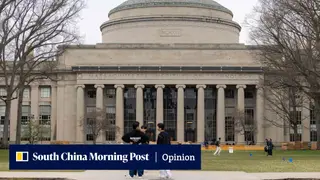
An opinion piece argues that Washington's approach to science and technology policy towards China is stuck on a false choice between engagement and security. The author suggests that the real challenge is to implement "smart openness" that protects sensitive technologies without undermining America's scientific strengths. The piece calls for disciplined risk management rather than indiscriminate restrictions, especially ahead of the planned Xi-Trump summit on AI.
The piece by Denis Simon notes that the planned September 24 visit by Xi Jinping will include the first formal US-China dialogue on artificial intelligence. Simon contends that Washington's current framing incorrectly pits scientific engagement against national security, ignoring the possibility of targeted safeguards.
The article points out that existing federal policies already require researchers to disclose foreign appointments and funding. Simon draws a clear line between sensitive defense-related quantum work and ordinary academic fields like theoretical chemistry, arguing that blanket restrictions on all Chinese collaborations are disproportionate.
This perspective could influence how US universities and federal agencies calibrate their research partnerships. If adopted, a disciplined risk-management approach may preserve vital international talent flows and collaborative innovation while addressing genuine espionage threats. Conversely, continued indiscriminate restrictions could deter global scientists and weaken American competitiveness. The upcoming summit might serve as a pivotal moment to establish clearer, more nuanced guidelines for dual-use technology governance.