NEC abandons quantum computer hardware efforts, shifts focus to applications
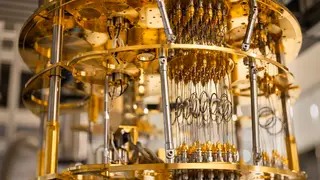
NEC has reportedly ceased development of quantum computing hardware, ending a program that began with pioneering work in superconducting qubits. The company will continue to explore practical uses and industrialization of quantum technologies. Several researchers, including a key leader, have moved to rival Fujitsu.
NEC's 1999 demonstration of the first superconducting solid-state qubit underpinned later systems by IBM and Google. The firm halted physical machine construction in March 2026, prompting several researchers, including a lead figure, to join Fujitsu.
Officially, NEC frames the shift as a move toward practical applications, software, and customer proof-of-concept work, avoiding hardware costs. Fujitsu, which already operates a 256-qubit system with Riken, is targeting machines exceeding 1,000 qubits in 2026 and 10,000 by fiscal 2030.
NEC's retreat from hardware could slow the diversification of quantum computing suppliers, potentially concentrating development in fewer firms like IBM and Fujitsu. Industries awaiting commercial quantum advantage may see timelines shift, though NEC's focus on applications could still deliver software-based benefits. The migration of researchers to Fujitsu may accelerate that rival's roadmap, possibly bringing large-scale systems to market sooner, but also reducing competitive pressure from a historical pioneer.