Rattlesnake's Own Venom-Blocking Proteins Yield Potent Antivenom
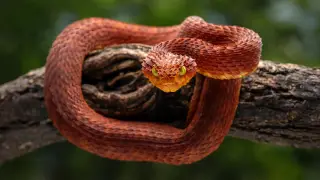
Researchers found that combinations of toxin-blocking proteins from rattlesnake blood neutralize venom from multiple species, outperforming a commercial antivenom by about tenfold in lab tests. The discovery could lead to more effective snakebite treatments.
The new study, published in the Proceedings of the National Academy of Sciences, builds upon a 2022 discovery of the protein FETUA-3 in western diamondback rattlesnakes. Researchers have now examined how multiple FETUA proteins function together to provide broad protection against various snake venoms.
Working with Texas A&M's Elda Sánchez, the team found that individual proteins target distinct venom effects, such as reducing bleeding. This natural defense mechanism offers a potential alternative to traditional horse-derived antibodies, which are expensive to produce and can cause severe immune reactions in patients.
This discovery could significantly improve snakebite outcomes for rural communities in tropical regions, where access to effective treatment is often limited. By leveraging snake-derived proteins, future antivenoms may become more affordable, broadly effective across multiple species, and less likely to trigger dangerous allergic reactions than current horse-based treatments. This may ultimately reduce the high annual death toll and long-term disabilities associated with venomous bites.