Two-Drug Combo Targets Prostate Tumors That Change Identity
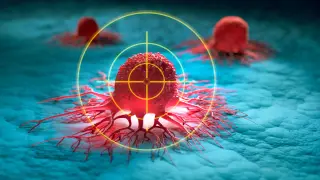
Researchers identified a potential treatment for prostate cancers that evade hormone therapy by transforming into different cell types. Combining two drugs reversed many of these changes and significantly slowed tumor growth in preclinical tests. The approach might also apply to other cancers that undergo similar cellular shifts.
Prostate cancer affects roughly one in eight men and ranks as the second leading cause of cancer-related death among U.S. males. Standard hormone-blocking therapies initially work, but tumors frequently adapt by losing glandular traits and morphing into stem-like cells, a shift associated with the deletion of TP53 and RB1 genes.
The University of Michigan team combined BET bromodomain inhibitors, which slow cell growth, with DNMT inhibitors, which reactivate silenced glandular genes. This dual approach reversed many identity changes and markedly reduced tumor progression in preclinical models. The researchers suggest this tactic may also benefit lung and pancreatic cancers that undergo similar cellular transformations.
This research could offer a new lifeline for patients with aggressive prostate cancer who have exhausted standard hormone therapies. If the combination proves effective in human trials, it may extend survival and improve quality of life for a significant patient population. Furthermore, the underlying mechanism could potentially be adapted to treat other cancers that evade therapy through cellular identity shifts, broadening the societal impact of this work.