Pakistan reveals Chinese-made air defence system to counter drone threats
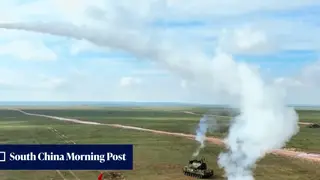
Pakistan has publicly displayed its newly acquired Chinese HQ-17AE short-range air defence system, which analysts say could enhance its ability to counter Indian drones and low-altitude threats. The system, an export variant of China's HQ-17A, has a range of up to 20km and is designed to engage UAVs, helicopters, and cruise missiles. This marks Pakistan as the fourth foreign operator of the system, following Saudi Arabia, Serbia, and Tajikistan.
The HQ-17AE's lineage originates from a reverse-engineered Russian Tor-M1, evolving into a wheeled variant before its export iteration. Its engagement radius covers 20 kilometers with a maximum altitude of 10 kilometers, specifically targeting low-altitude aerial threats like drones, helicopters, and guided munitions.
The Pakistani Air Force's confirmation came through a Sunday social media clip showcasing multidomain capabilities, referencing the May border clash with India. An analyst noted that if Pakistan successfully integrates this system with other foreign hardware, it would significantly bolster China's arms export prospects.
This deployment could alter regional military dynamics, potentially deterring low-altitude incursions along the contested border. For local populations, enhanced air defence may reduce vulnerability to drone strikes, though it could also escalate arms races. Neighboring nations might perceive this as a shift in the balance of power, prompting countermeasures. The successful use of Chinese equipment by Pakistan may further solidify Beijing's position as a leading global arms supplier, influencing procurement decisions across the region.