Everest Epic 'Tenzing' Finds Spiritual Depth but Lacks Dramatic Spark
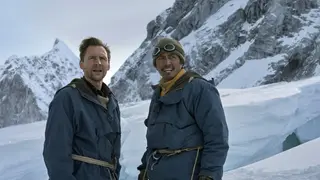
Jennifer Peedom's film reimagines the 1953 Everest ascent from the perspective of Sherpa Tenzing Norgay, emphasizing his spiritual connection to the mountain. Despite strong performances from Genden Phuntsok and Tom Hiddleston, the biopic follows a familiar formula and remains mostly forgettable.
The narrative structure interweaves three distinct time periods, tracing Tenzing Norgay's life from a Tibetan village boy in the 1920s to a young Sherpa in Darjeeling, and finally to the pivotal 1953 expedition. This multi-era approach allows the film to contrast his lifelong reverence for the peak with the British expedition's militaristic framing of the climb as a "siege."
Directed by Jennifer Peedom and written by Luke Davies, the feature premiered at the Telluride Film Festival and carries a PG rating with a runtime exceeding two hours. Notably, the script deliberately avoids using the Western name "Everest" almost entirely, reinforcing the cultural shift toward Tenzing's indigenous worldview.
By centering a Sherpa's spiritual bond with the mountain, this film could challenge mainstream audiences' conventional narratives of mountaineering conquest. It may prompt viewers to reconsider the historical contributions and cultural perspectives of indigenous guides, potentially fostering greater appreciation for their labor and heritage. However, its conventional biopic structure might limit its reach, meaning its societal impact could remain modest, resonating primarily with film enthusiasts and those interested in post-colonial retellings of history.