Debate Continues on Surgery vs. Surveillance for Esophageal Cancer
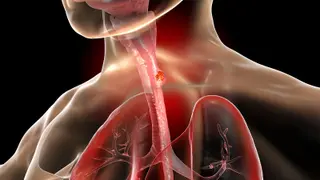
For patients with locally advanced esophageal adenocarcinoma who achieve a complete response to neoadjuvant therapy, the question of whether to proceed with immediate surgery or opt for organ preservation remains contentious. A review of nearly 60,000 patients found higher mortality with chemoradiation alone compared to upfront surgery, but surgery carries significant risks of complications and mortality. The authors note that while organ preservation is viable in rectal cancer, evidence for a definitive pathway in esophageal cancer is lacking.
A large retrospective analysis spanning nearly 60,000 patients indicated that chemoradiation alone carried a mortality hazard more than double that of upfront surgery, with even higher risks for adenocarcinoma. Conversely, the randomized SANO trial, tracking 309 patients, found comparable two-year survival rates between surveillance (74%) and immediate surgery (71%) after a complete clinical response.
Surgical risks remain substantial, with roughly 60% of patients experiencing significant complications and perioperative mortality reaching 4.5% at 90 days. This reality fuels the argument for active surveillance, supported by techniques like bite-on-bite biopsy, though experts acknowledge that a definitive organ-preservation pathway, unlike in rectal cancer, remains unestablished.
For patients facing locally advanced esophageal adenocarcinoma, this unresolved debate could significantly shape treatment burdens and long-term quality of life. Choosing surveillance may spare many from major surgical complications, yet it risks missing early recurrence. Conversely, immediate surgery offers definitive local control but carries substantial perioperative risks. As survival rates between strategies appear comparable in early trials, patient preferences and shared decision-making may increasingly dictate care pathways, potentially influencing healthcare costs and resource utilization.