Explainer: UK's settlement goods ban and its implications
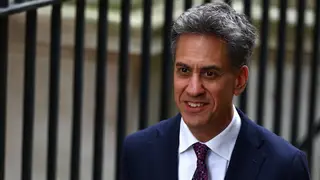
The UK has banned imports from Israeli settlements, with Foreign Secretary Ed Miliband describing it as a 'comprehensive reset' of policy toward Israel. He accused Israel of ethnic cleansing and reaffirmed that settlements are unlawful. Twelve countries have issued a joint statement supporting similar trade restrictions and calling for an immediate halt to settlement expansion.
The new measures extend beyond trade, including tighter arms export controls and an expanded human rights regime aimed at blocking the E1 settlement project, which Miliband warned would sever the West Bank. He also announced sanctions on Hezbollah's financial arm and renewed penalties on Iran, clarifying that the restrictions target settlements rather than the Israeli state itself.
This policy shift follows the UK's recognition of Palestinian statehood last year and aligns with a joint declaration from twelve nations, including France, Canada, and Spain, who pledged similar trade curbs and urged an immediate stop to settlement growth. Miliband further characterized settler violence as ethnic cleansing and labeled perpetrators as "settler terrorists."
This ban could reshape UK retail supply chains, forcing supermarkets to source alternatives and potentially reducing income for settlement-linked enterprises. It may also intensify diplomatic friction between London and Jerusalem, while providing symbolic encouragement to Palestinian communities facing displacement. However, the practical impact on settlement expansion likely hinges on whether the twelve-nation coalition enforces similar measures consistently, as unilateral trade actions alone may not halt construction or violence on the ground.