White House Invests in Mining Schools to Counter Looming Workforce Exodus
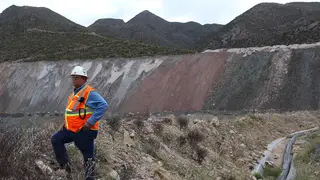
The U.S. mining sector faces a severe talent shortage, with over half of its current workforce expected to retire by 2029. In response, the Trump administration has allocated $180 million to mining colleges, aiming to double the number of graduates within two years. Experts caution that rebuilding the industry's human capital to rival China's will be a formidable undertaking.
The funding aims to address a steep decline in educational infrastructure. The US currently operates 14 mining schools, a sharp drop from 25 in the 1980s. These institutions collectively produce roughly 150 to 200 mining engineers annually, which falls short of existing domestic demand.
The scale of the challenge is highlighted by international comparisons. A single Chinese university enrolls more mining engineering students than all US programs combined, and China graduates over 3,000 engineers yearly. Industry experts note that finding qualified talent outside China remains a significant hurdle for magnet manufacturers and other critical mineral sectors.
This investment could help stabilize a critical sector facing a massive retirement wave. If successful, it may bolster domestic supply chains for defense and technology, reducing reliance on foreign sources. However, the two-year timeline to double graduates is ambitious; the broader societal impact may be limited unless long-term career interest in mining is sustained, potentially affecting regional economies dependent on mineral extraction.