Emerging Street Opioid Cychlorphine Raises Alarm Among Health Officials
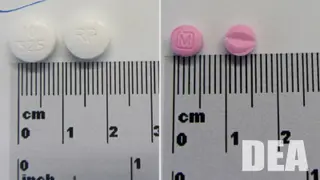
Cychlorphine, a synthetic opioid, has been linked to at least 55 deaths in the U.S. between 2025 and 2026, with highest prevalence in Ohio, Tennessee, and Texas. Experts note that little is known about its potency, metabolism, or effects, and it emerged after China restricted nitazenes. A nonfatal overdose case involved a mixture of fentanyl, xylazine, and cychlorphine.
Cychlorphine belongs to a class of opioids originally explored as pain relievers in the 1960s but never commercialized due to their strong receptor activity. Its street appearance followed China's 2025 restrictions on nitazenes, prompting traffickers to adopt this alternative.
Detection remains challenging, as standard toxicology screens often miss the compound, though naloxone still reverses its effects. In Knox County, Tennessee, it was tied to 63 deaths by mid-2026, frequently found in counterfeit pills or powders, sometimes alone, and is considered highly potent in minute quantities.
This emerging substance could place significant strain on emergency responders and public health systems, particularly in Ohio, Tennessee, and Texas. Users may unknowingly consume it in counterfeit medications, raising fatal overdose risks. The drug's unknown potency and metabolism may hinder rapid clinical intervention and complicate forensic identification, potentially delaying public awareness campaigns. Communities could see rising mortality rates, while healthcare providers may need enhanced surveillance and naloxone distribution to mitigate harm.