Racial Disparities Persist in Academic Medicine, Opinion Piece Argues
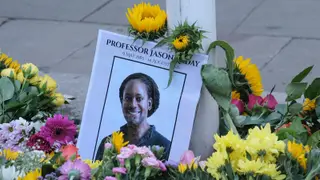
The article reflects on the death of Jason Arday, a Cambridge professor, and draws parallels to the experiences of Black physicians and faculty in academic medicine. It notes that Black physicians represent only 5.7% of the active U.S. physician workforce, and Black faculty are about 3.6% of full-time medical school faculty, despite Black Americans making up 14% of the population. The author argues that credentials do not protect against systemic racism in academic spaces.
The article centers on a Cambridge sociologist who resigned amid plagiarism accusations and later died, with his family citing sustained abuse. The institution that granted his doctorate previously dismissed the allegations as an honest error, contrasting sharply with the public scrutiny he endured.
Statistical evidence cited reveals Black physicians hold 5.7% of active posts and Black faculty 3.6% of full-time roles, despite representing 14% of the population. Unpublished residency data indicates Black residents made up 5% of trainees but 20% of dismissals, while NIH funding odds remain lower for Black applicants even after adjusting for qualifications.
This narrative could intensify institutional scrutiny of evaluation metrics, promotion pathways, and disciplinary procedures within academic medicine. Medical schools may face renewed pressure to audit implicit bias in grading and funding decisions. Trainees and patients from underrepresented backgrounds could experience heightened alienation if these patterns persist, potentially affecting workforce diversity and care quality. The broader academic community may reconsider how it defines merit and supports marginalized scholars.