Facial nerve stimulation may enhance memory
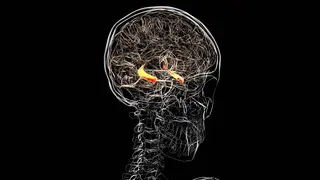
A small study found that electrical stimulation of a facial nerve improved communication between hippocampal neurons and boosted memory performance. The technique, applied via skin electrodes, increased signalling by about 20% for over an hour. Researchers suggest it could lead to non-invasive memory aids.
The study identified a precise stimulation pattern—one-second bursts at 200 hertz with 29-second pauses—that boosted hippocampal signaling by roughly one-fifth for over an hour. This intermittent rhythm, unlike continuous stimulation, appears to engage the locus coeruleus, a tiny brain region that releases norepinephrine, a chemical linked to neural transmission and memory consolidation.
Researchers validated the approach in nine epilepsy patients with brain implants, observing matching hippocampal responses. In a separate trial with 36 healthy participants, the stimulation improved recall of face-occupation associations, particularly after a 20-minute rest period. This builds on earlier work showing that non-invasive trigeminal nerve stimulation can activate pathways to the hippocampus, offering a less invasive alternative to prior methods.
If replicated in larger trials, this technique could lead to wearable devices that help individuals with age-related memory decline or mild cognitive impairment. It may offer a non-invasive, accessible alternative to existing brain stimulation methods, potentially democratizing cognitive enhancement. However, the small sample sizes and short-term effects mean it could be years before clinical applications emerge. The approach may eventually support memory consolidation in daily life, but its real-world utility remains unproven.