Seaweed farming may not be the climate fix it's claimed to be
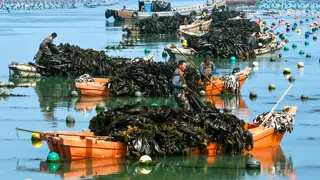
A new study argues that cultivating seaweed to absorb carbon dioxide is misguided, as warming oceans are causing existing kelp forests to die and release more carbon than they sequester. The researchers suggest focusing on preserving current seaweed ecosystems rather than expanding farming. They estimate that seaweed absorbs billions of tonnes of CO2 annually, but losses from declining forests may outweigh gains.
Seaweed absorbs billions of tonnes of CO2 annually, yet only a minor portion sinks to the deep ocean for long-term storage. With roughly 60% of global kelp forests declining due to warming waters, these ecosystems now release about 14 million tonnes of CO2 yearly, potentially outweighing any sequestration gains.
Practical hurdles remain for large-scale cultivation. A US start-up with $70 million in funding failed to grow kelp in open waters and closed. Meanwhile, restoring a 70-hectare Norwegian kelp bed via urchin control captured just 50,000 tonnes of CO2 annually, while preserving existing forests costs eight times less than restoration. Farming currently covers 4,000 square kilometres, only a third of the area lost yearly.
This research could reshape climate investment strategies, prompting governments and corporations to shift funding from speculative seaweed farming toward protecting existing coastal ecosystems. Carbon offset buyers may face increased scrutiny over the efficacy of ocean-based credits. Coastal communities and aquaculture firms could see altered regulatory priorities, with conservation of current kelp beds potentially taking precedence over expansion. Ultimately, the study may temper expectations for ocean-based carbon removal, influencing future climate policy and marine conservation budgets.