Humanoid Robots Face Physical Limits That AI Cannot Overcome
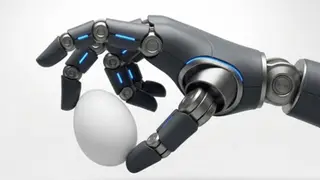
As humanoid robots gain more degrees of freedom, the hardware needed for motion—motors, sensors, and power systems—becomes increasingly constrained by size and weight. Unlike fixed industrial arms, humanoids must carry all electronics onboard, creating a paradox where added components restrict movement. The next leap in robotics may hinge on improving physical actuation rather than purely advancing AI.
Unlike stationary industrial arms that rely on external control cabinets and heavy cabling, humanoid robots must integrate every motor, sensor, and power component within their own moving structure. This onboard requirement means each added joint increases both mass and occupied volume, directly limiting the machine's agility and energy efficiency.
The industry is shifting toward 48-volt power distribution to reduce current draw, enabling thinner wires and less resistive heat generation. However, this approach introduces a new challenge: during rapid braking, motors can generate voltage spikes exceeding the nominal bus level, forcing designers to engineer robust protection into joint electronics.
The physical constraints of humanoid hardware could slow the promised integration of these machines into workplaces and homes. While AI capabilities advance quickly, limitations in actuation and power management may delay practical deployment in labor-intensive sectors, affecting workforce transition timelines. Companies prioritizing mechanical and electrical innovation could gain a competitive edge, whereas those focused solely on software might face setbacks. Ultimately, the pace of hardware breakthroughs may shape how society adopts these robots.