Public Still Fails to Link Weather Disasters to Warming, Studies Show
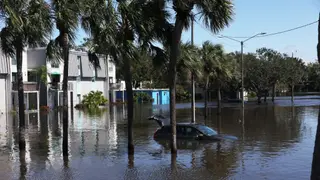
Despite mounting scientific evidence, surveys indicate that many individuals do not automatically associate recent floods, heat waves, and wildfires with human-caused climate change. The gap in understanding is compounded by a decline in climate-focused journalism, which could hinder adaptation efforts. Experts warn that without broader awareness, preparing for worsening extremes becomes more difficult.
Recent catastrophic events, including a glacier-triggered debris flow in Nepal that killed over 1,300 people, alongside intense heat waves and western wildfires, illustrate a growing trend of climate-fueled extremes. However, research indicates that public perception lags behind this scientific reality, with individual recognition of these links varying widely based on factors like political views and socioeconomic status.
A 2024 analysis highlighted that wildfires briefly boost acknowledgment of global warming, while heavy rainfall does not. Furthermore, a decline in dedicated climate journalism and the rapid news cycle mean that crucial context often fades before the public fully grasps the connection, complicating future adaptation efforts.
The persistent gap between scientific consensus and public understanding could significantly hinder societal resilience. If individuals fail to recognize that worsening floods, fires, and heat waves are linked to warming, they may be less likely to support necessary infrastructure upgrades or personal preparedness measures. This disconnect may also place a heavier burden on local governments and emergency services, which could struggle to secure funding for adaptation without broad public backing. Ultimately, the lack of awareness may slow critical policy responses.