Sharpeville Massacre Survivors Seek Court Redress Decades Later
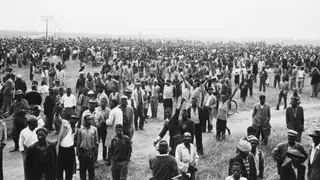
Survivors and relatives of the 1960 Sharpeville Massacre are pursuing legal action against an apartheid-era law that blocked civil claims. New research suggests the death toll may have been as high as 91, higher than the official 69. The case is being heard in South Africa's Gauteng High Court.
The 1960 protest targeted apartheid pass laws that restricted Black South Africans' movement. While official records list 69 deaths, a 2024 analysis of police files suggests the toll may have reached 91, with injuries rising from 180 to 238. The event is now commemorated as Human Rights Day, and the democratic Constitution was signed in Sharpeville in 1996.
Paulina Mathinye, five years old at the time, lost her father, who was the family's primary earner. Her mother took domestic work to support the children, leaving them hungry and without electricity or candles for studying. Mathinye's ambition to become a teacher was thwarted by financial hardship, a consequence she directly links to the massacre.
The legal challenge could set a precedent for addressing historical injustices, potentially offering survivors and descendants a formal avenue for acknowledgment and compensation. If successful, it may prompt broader scrutiny of other apartheid-era legal shields, affecting how South Africa reconciles its past. The case could also influence public discourse on transitional justice, though its outcome remains uncertain.