Oil Price Surge Exposes Risks of Climate Policy Rollbacks
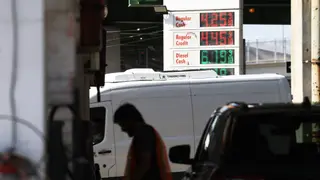
Attacks on Saudi oil infrastructure by Iranian-backed Houthis pushed global crude prices near $100 per barrel, a 33% increase since July. The Trump administration's rollback of environmental regulations and emphasis on domestic production have not shielded consumers from the spike. Meanwhile, China's rapid vehicle electrification cut its transportation oil use by 16% from April to June, helping it weather the price shock.
The administration's regulatory retreat, including allowing more natural gas flaring, eliminating diesel exhaust controls, and ending summer smog-reducing fuel rules early, has not yielded cheaper gasoline. Analysts note that the recent deal granting U.S. control over Venezuelan reserves will take time to materialize, even as Energy Secretary Chris Wright advocates for maximum production.
Meanwhile, a Brown University tracker estimates Americans have spent over $101 billion extra on fuel since February, roughly $771 per household. In contrast, China's rapid vehicle electrification cut its transportation oil use by 16% between April and June, while U.S. consumption remains steady and EV adoption forecasts decline, highlighting a growing vulnerability.
This price surge could disproportionately burden lower-income households, as higher fuel costs ripple into transportation and goods. The administration's rollbacks may offer short-term supply flexibility but could leave the nation more exposed to future geopolitical shocks. Conversely, the contrast with China suggests that accelerating electrification might provide a buffer against such volatility, potentially reshaping public and industrial attitudes toward energy security in the coming years.