Mao Zedong's teachings find new audience among Chinese youth facing modern pressures
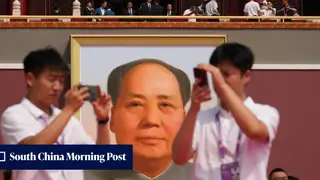
Fifty years after Mao Zedong's death, younger Chinese are increasingly turning to his writings for guidance on issues like pay disputes, education anxiety, and workplace alienation. Online influencers and AI-narrated videos have helped popularize Mao's sayings, with his ideas often cited during US-China tensions. While authorities have not planned official commemorations, the trend has raised concerns among analysts.
The 50th anniversary of Mao's death falls on Wednesday, yet Beijing has scheduled no official state ceremonies, as such commemorations typically honor birth dates. Instead, the only notable official action is extending the opening hours of the Chairman Mao Memorial Hall, which has already seen its weekly visitor slots fully reserved.
Mao's resurgence is driven by digital platforms, where influencers with large followings promote his writings as solutions to contemporary anxieties like salary disputes and workplace isolation. His rhetoric, including the "paper tiger" metaphor and "On Protracted War," has also resurfaced online during recent trade conflicts with the United States.
This grassroots revival could signal a generational search for ideological anchors amid economic and social pressures. While it may offer young people a sense of solidarity and historical perspective, it also presents a potential challenge for authorities, who might view uncoordinated popular engagement with Mao's legacy as a double-edged sword. The trend could influence how the party manages historical narratives, as spontaneous grassroots movements may diverge from officially sanctioned commemorations.