NCAA Issues New Game-Clock Rules Following Michigan's Last-Second Controversy
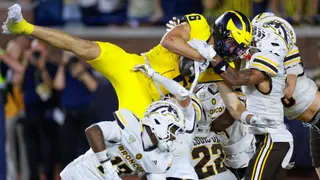
The NCAA has introduced a standardized timing protocol in response to Michigan's disputed 13-12 win over Western Michigan. The new guidance states that the official time is the in-stadium game clock, and replay officials will rely on the embedded game clock from the broadcast feed. This rule would have prevented the extra second that allowed Michigan's game-winning Hail Mary.
The NCAA's new memo, issued by coordinator Ron Snodgrass, mandates that the in-stadium clock serves as the official time, with replay officials using the broadcast's embedded clock for adjustments. This directly addresses the disputed finish where an extra second was added. The MAC commissioner formally requested the result be overturned, but the NCAA and FBS oversight committee declined to alter the on-field outcome.
Following the loss, Michigan fell out of the Associated Press Top 25. The Big Ten had previously justified the extra second by citing a side-by-side review showing a defender's out-of-bounds leap. Michigan now faces a demanding schedule, including Oklahoma, Ohio State, and Oregon, requiring improved performance.
This new protocol could restore confidence in officiating by eliminating ambiguous clock adjustments, though it may also place undue reliance on broadcast technology. For teams like Western Michigan, the inability to overturn results may deepen feelings of injustice, while Michigan faces a challenging season under scrutiny. Fans and players may see more consistent end-of-game rulings, but the precedent of accepting final scores despite errors could still leave lingering questions about competitive fairness.