Southeast Asian Nations Adjust Taiwan Positions Amid US-China Rivalry
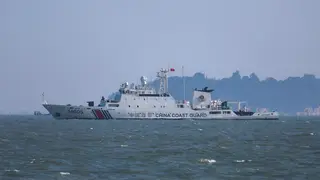
Indonesia conducted a joint naval exercise with China near Taiwan, which it later downplayed, while Malaysian Prime Minister Anwar Ibrahim made remarks suggesting sympathy for China's potential use of force against Taiwan before walking them back. These actions reflect a gradual drift among Southeast Asian countries toward Beijing's stance on Taiwan, with joint statements from Malaysia and China dropping explicit references to peaceful reunification in recent years.
Malaysia's joint statements with Beijing omitted the phrase "peaceful reunification" in 2024 and 2025, a departure from its 2014 communiqué. Cambodia similarly dropped such language after 2019, while Thailand's wording evolved from merely acknowledging Taiwan as part of China in 2023 to explicitly rejecting independence calls in 2025 and firmly backing peaceful reunification in 2026.
The Philippines has maintained a firmer line due to US ties and South China Sea disputes, though President Marcos Jr. softened somewhat this year. Taiwan has sought to counter these trends via its New Southbound policy, but removed Cambodia from visa-privilege programs in July after repeated derogatory statements.
This gradual diplomatic recalibration could influence regional perceptions of sovereignty and security. Southeast Asian governments may face growing pressure to balance economic ties with Beijing against domestic democratic sympathies, potentially affecting public discourse and trade relationships. Taiwan's outreach efforts might see diminishing returns, while citizens in the region could experience shifting media narratives that complicate their understanding of cross-strait tensions.