Governance gaps threaten Chinese firms' global ambitions
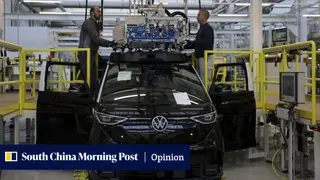
A dispute at Changzhou Xingyu Automotive Lighting System, where 107 new graduates were asked to resign, has drawn scrutiny from Volkswagen and other customers. The incident reveals a mismatch between the company's international expansion and its internal governance. Analysts argue that governance failures at home can undermine Chinese manufacturers' global competitiveness.
The recruitment dispute involved 440 new graduates, with 107 asked to leave just over a month after starting, receiving only half a month's pay. Complaints from these employees were directed to European carmakers and the Hong Kong stock exchange.
Xingyu operates twelve production facilities across China and Serbia, alongside sixteen research centers, supplying major automakers such as BMW, Toyota, and Honda. Volkswagen's formal review of the dismissals illustrates how domestic labor issues can enter the compliance systems of global customers.
This case could affect both Chinese manufacturers seeking international expansion and their overseas partners. Global buyers may impose stricter supply-chain audits, raising operational costs. Domestic employees might feel empowered to challenge similar practices, knowing foreign scrutiny can pressure employers. The broader societal impact could be a gradual normalization of stronger corporate governance, as reputational risks become tied to financial and market access.