Emergency Room Realities Expose AI's Limitations in Healthcare
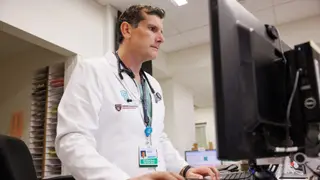
Despite bold predictions from tech leaders about AI's potential to eliminate cancer and improve treatments, a study in emergency departments shows the technology struggles with real-world chaos. The article highlights how AI tools, such as medical scribes, fall short in high-pressure settings.
The gap between optimistic forecasts for AI in medicine and its actual performance in chaotic clinical settings is highlighted by recent emergency room research. While industry visionaries have promised revolutionary breakthroughs, the demanding, unpredictable nature of acute care presents distinct hurdles.
Specifically, digital assistants intended to ease documentation burdens proved inadequate under real-world pressure. These findings suggest that the theoretical promise of AI must be reconciled with the messy, high-stakes realities of frontline medical practice.
The gap between AI's theoretical promise and its emergency room performance could influence how hospitals allocate resources and adopt new technologies. Clinicians may face added frustration if tools fail under pressure, while patients might see delayed benefits from automation. Conversely, this evidence may steer developers toward more robust, context-aware designs, ultimately shaping the pace and safety of digital transformation in healthcare.