Indoor Heat Risks Rise for New Yorkers Who Can't Afford Cooling
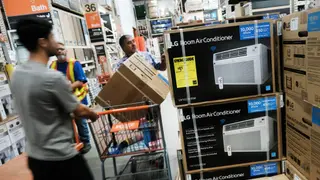
New York City has experienced multiple heat emergencies this summer, with an estimated 500 premature heat deaths annually. Many victims died indoors, often lacking or not using air conditioning due to cost. Cooling centers offer relief, but affordability remains a key barrier for vulnerable residents.
The city's heat mortality data distinguishes between direct heat-stress deaths and heat-exacerbated fatalities, with the latter averaging roughly 490 annually over a recent ten-year span. A single June 2025 heatwave alone accounted for 19 direct heat-stress deaths, far exceeding the prior decade's yearly average of seven.
Projections from Columbia University indicate summer temperatures could climb by 4 to 6 degrees Fahrenheit by mid-century, intensifying heatwave frequency. To address this, the city's report advocates for broader air conditioner access and reduced utility bills for low-income households, while a national study credits home cooling with preventing thousands of heat-related deaths yearly.
The rising cost of electricity combined with fixed incomes could leave vulnerable populations, particularly seniors, facing a stark choice between cooling and other necessities. As heatwaves become more frequent, reliance on cooling centers may offer only temporary relief, potentially straining public resources. This dynamic could deepen existing health disparities, as those unable to afford air conditioning face higher risks of exacerbated chronic conditions, while the city's infrastructure struggles to keep pace with a warming climate.