West Coast gray whale deaths signal population crisis
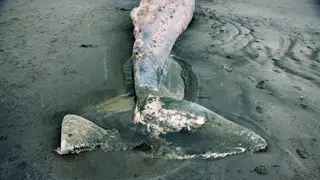
Scientists have recorded 187 gray whale strandings along the Pacific coast this year, with many carcasses showing severe emaciation. The eastern North Pacific population has fallen from about 27,000 in 2016 to roughly 13,000 by 2025, a decline of over 50 percent. Researchers are examining the dead animals to understand the causes of this collapse.
The eastern North Pacific gray whale population rebounded from near extinction to roughly 27,000 by 2016, but has since dropped by over half to about 13,000. Scientists attribute the ongoing die-off primarily to severe malnutrition, with many carcasses described as extremely emaciated, alongside evidence of vessel collisions.
A formal unusual mortality event was declared in 2019 and ended in 2023, yet strandings persist. Researchers continue to examine the dead animals, noting that the whales undertake a massive 10,000-mile annual migration, which may exacerbate their vulnerability when food is scarce.
The ongoing collapse could disrupt marine food webs, as gray whales play a key role in stirring up seafloor nutrients. Coastal communities and tourism operators may face economic strain from fewer whale sightings, while shipping and fishing industries could see new regulations aimed at reducing vessel collisions. This crisis may also intensify public and scientific pressure to reassess conservation strategies for recovering marine populations.