Chinese robot mower makers push into European market despite trade hurdles
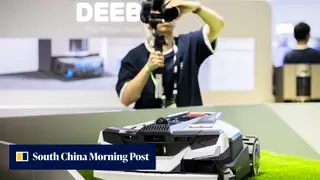
At least nine Chinese brands showcased new robotic lawnmowers at IFA in Berlin, aiming to expand in the EU despite an anti-dumping investigation. Sales in Europe have grown from 800,000 to 2 million units annually, and Chinese firms see potential for further growth. The US has also restricted foreign-made robots.
European demand for robotic lawnmowers has surged, with annual sales climbing from roughly 800,000 units in 2021 to about two million, and industry estimates suggesting a possible rise to three or four million. One prominent brand, Navimow, saw its global deliveries expand from 3,000 units in its first full year to roughly 300,000 last year, generating 269 million yuan in first-half revenue.
Regulatory pressure is mounting on both sides of the Atlantic. Brussels initiated an anti-dumping investigation into Chinese mowers last November, while Washington's FCC added foreign-made advanced robots to its restricted list in July. Nevertheless, the sector remains crowded, with vacuum and pool-robot makers like Dreame, Roborock, and Aiper entering since 2024, and Mova employing a DJ and robotic-arm-waving mowers to stand out at the Berlin trade fair.
European homeowners could see either lower prices or restricted supply depending on the outcome of the anti-dumping probe. If duties are imposed, costs may rise, slowing adoption of automated lawn care. Conversely, continued Chinese entry could pressure established European manufacturers to innovate or lower prices. The US ban may redirect Chinese marketing efforts toward Europe, potentially accelerating market saturation. This technological shift could also affect landscaping labor markets, though the net societal impact remains uncertain.