India seeks to leverage Brics diversity without ceding ground to China
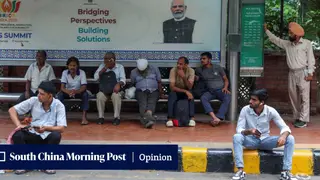
As Brics leaders meet in New Delhi, India faces the challenge of making the expanded group coherent. India wants to enhance emerging economies' influence but avoid replacing dollar dependence with Chinese dependence. The summit will focus on de-dollarisation and payment systems, with India aiming to gain more strategic choices.
The Brics coalition has grown from its original four members to encompass a wide array of nations across multiple continents, including major energy suppliers and manufacturing hubs. This expansion has created a bloc representing roughly 40% of global economic output and half the world's population, yet its members hold vastly different diplomatic stances toward major powers.
At the upcoming New Delhi gathering, a key practical objective involves streamlining cross-border transactions. By linking national payment systems and facilitating settlements in local currencies, the bloc could offer businesses alternative financial pathways that bypass traditional dollar-based intermediaries, potentially shielding trade from geopolitical disruptions.
The summit's outcomes could reshape how Indian businesses engage with global markets, potentially lowering transaction costs and diversifying trade routes. If payment integration advances, small and medium exporters may gain more resilient options during international crises. However, the persistent rivalry with China might complicate consensus, meaning the bloc's practical benefits could remain limited. Ultimately, the decisions made in Delhi may influence the broader Global South's economic autonomy, though tangible shifts in global financial architecture are likely to be gradual.