Report: Nigeria and Boko Haram agree to quiet three-month truce
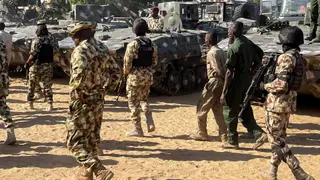
An investigation by The New Humanitarian reports that Nigeria and Boko Haram have observed a secret ceasefire for three months, following negotiations that led to the release of 360 abducted villagers. The truce began in June and may be extended, but it does not include the rival group ISWAP. The Nigerian government has publicly denied negotiating with Boko Haram.
The ceasefire emerged from negotiations following a March abduction in Ngoshe, where 360 civilians were taken during an assault on a nearby army base. A reported 5 billion naira ($3.7m) payment facilitated their release, though Nigerian authorities deny any ransom was paid. The truce, which began in June, is expected to continue for another 40 days, with attacks reportedly halting around Ngoshe.
The agreement excludes the rival faction ISWAP, which continues to clash with Boko Haram. Previous ceasefire attempts have collapsed, and analysts caution that the pause may be tactical, allowing Boko Haram to reposition equipment in the Mandara Mountains. Meanwhile, President Tinubu has publicly focused on military expansion, recruiting 30,000 personnel and creating four new divisions.
Civilians in northeastern Nigeria could see temporary relief from attacks, but the exclusion of ISWAP means violence may persist elsewhere. The reported payment could embolden future kidnappings if it signals a willingness to pay ransoms. The pause may allow Boko Haram to regroup, potentially prolonging the conflict. The government's public denial could undermine trust in official statements, while the military expansion suggests a continued reliance on force over dialogue.