Novel receptor activation shows promise for osteoporosis treatment
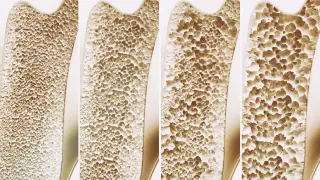
Researchers at Leipzig University found that activating GPR133 with AP503 increased bone strength in healthy and osteoporotic mice. The compound also appears to support muscle strength, suggesting potential for age-related decline. Further studies are needed to assess its applicability in humans.
GPR133 functions as a surface sensor that translates mechanical cues into cellular signals. When activated by AP503, it tips the skeletal equilibrium by promoting osteoblast activity while suppressing osteoclast-driven resorption, effectively shifting the balance toward net bone gain.
The compound's dual action on muscle and bone is particularly notable, as prior research demonstrated its ability to enhance skeletal muscle strength. This combined effect suggests a potential avenue for addressing frailty associated with aging, though the receptor's role in human physiology remains to be fully validated.
If AP503 proves effective in humans, it could offer a novel alternative for the millions of postmenopausal women and elderly individuals currently reliant on existing osteoporosis drugs with notable side effects. The compound's apparent dual benefit for bone and muscle may also help mitigate the broader consequences of age-related physical decline, potentially reducing fracture risks and improving mobility. However, long-term safety and efficacy trials will determine whether this receptor-targeting approach translates from mice to meaningful clinical outcomes.