Astrobiologists skeptical of recent alien-life claims, survey shows
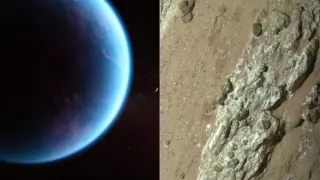
A survey of astrobiologists found that only 6.6% considered possible biological molecules on K2-18b likely evidence of extraterrestrial life, and 15.1% said the same for mineral patterns in a Martian rock. The results highlight a gap between public excitement and expert consensus.
The survey, conducted within days of each 2025 announcement, queried hundreds of astrobiologists globally. For the exoplanet K2-18b, the detection of sulfur-related molecules prompted only a small minority to endorse the alien-life hypothesis, with the vast majority expressing doubt or neutrality.
Regarding the Martian rock Cheyava Falls, expert opinion was notably less rigid. While agreement remained low, the percentage of those strongly rejecting the life hypothesis dropped sharply, indicating a shift toward more cautious, open-ended assessments rather than outright dismissal.
The divergence between public enthusiasm and expert caution could influence how funding agencies prioritize future missions and how media frames subsequent discoveries. If the public perceives scientists as overly skeptical, it may erode trust in scientific consensus, while overly optimistic headlines could lead to disappointment. This measured approach may ultimately foster more realistic expectations about the pace of discovery, encouraging a patient, evidence-based dialogue between researchers, policymakers, and the public.